Lake Erie Weather & Wave Patterns for Boaters
Any seasoned Lake Erie boater will tell you the same thing: you don't just check the weather, you respect it. This isn't just another lake. It's a beautiful, sprawling body of water that can turn from a sheet of glass to a churning washing machine in the

Dwayne Rodrigues
Boat Owner & Enthusiast
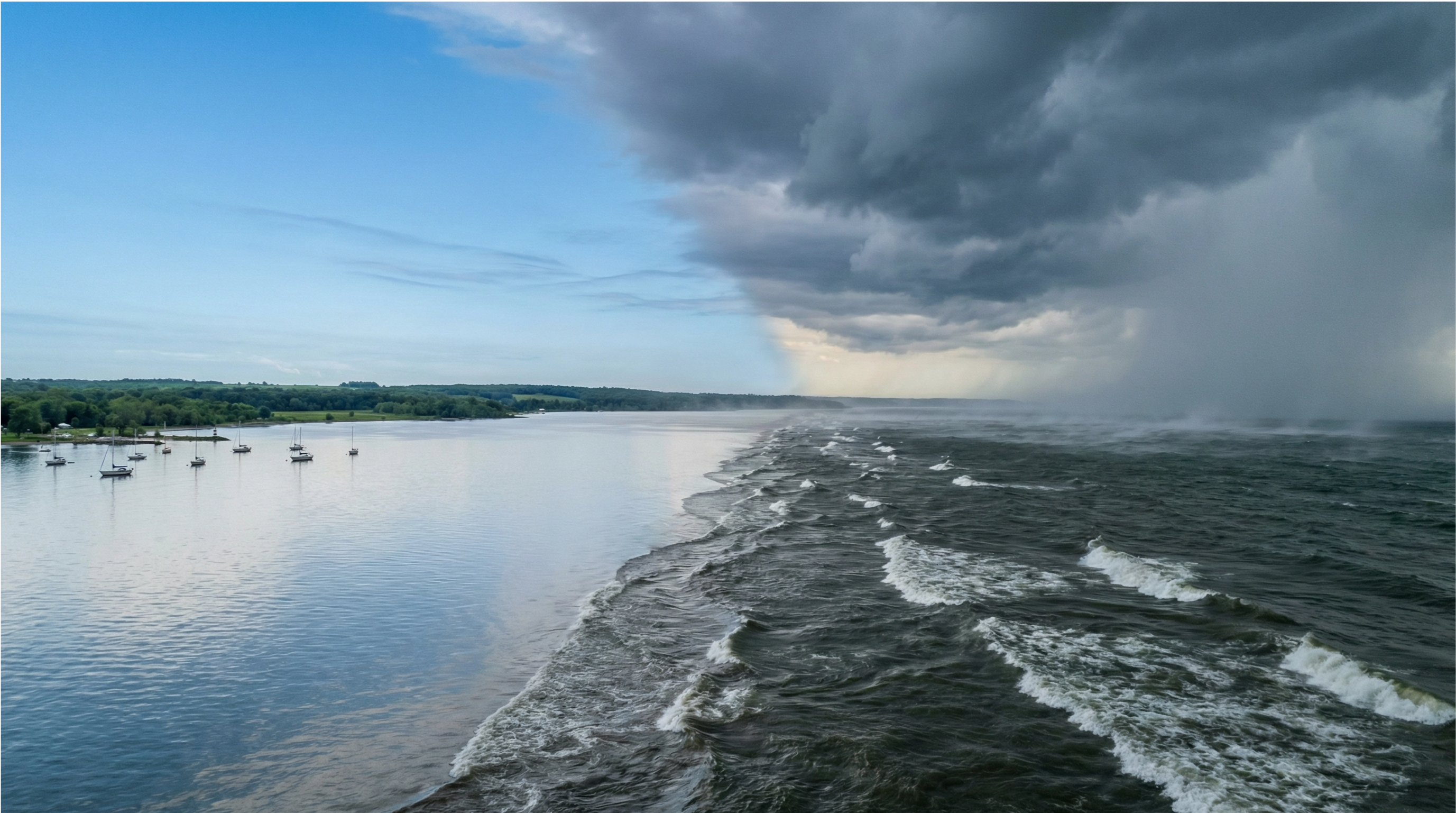
Any seasoned Lake Erie boater will tell you the same thing: you don't just check the weather, you respect it. This isn't just another lake. It's a beautiful, sprawling body of water that can turn from a sheet of glass to a churning washing machine in the time it takes to grab a drink from the cooler. I've seen it happen more times than I can count, and it never fails to humble me.
Understanding Lake Erie's unique personality is the difference between a fantastic day on the water and a story you tell with a nervous laugh years later. This isn't about being scared of the lake; it's about knowing it. It's about building a relationship with it, so you can anticipate its moods and make smart decisions. This guide is designed to give you that deeper understanding, moving beyond a simple forecast to explain why Lake Erie behaves the way it does.
Quick Safety Takeaways
Shallow Depth is Key: Lake Erie is the shallowest of the Great Lakes, which is the primary reason its conditions change so rapidly.
Wind is the Engine: Strong winds, especially from the southwest or northeast, can build dangerous, steep waves in a very short time.
Watch for Seiches: This standing wave phenomenon can cause rapid, dramatic changes in water levels at either end of the lake.
Trust Official Sources: Always use marine forecasts from sources like Environment and Climate Change Canada or NOAA, not just your standard weather app.
The Lake Erie Difference: Why It's Not Like Other Lakes
So, what makes Lake Erie so special? The secret is in its shallowness. With an average depth of only 62 feet, it's a lightweight compared to its deep, cold siblings like Lake Superior, which plunges to over 1,300 feet. Think of it like this: it's much easier to make waves in a shallow baking dish than in a deep stockpot. There's simply less water to absorb the energy from the wind.
When a strong wind blows across the surface of a deep lake, much of that energy goes down, creating deep, rolling swells. On Lake Erie, that same wind energy has nowhere to go but out. It can't be absorbed by a deep water column, so it translates directly into steep, choppy, and often chaotic waves that are very close together. This is what boaters call a "short fetch" or "short period" wave pattern, and it's what makes a ride on Lake Erie feel so much rougher than on other lakes in similar wind conditions. Your boat doesn't have time to recover from one wave before it's hit by the next.
This shallow nature is the engine behind almost every unique weather phenomenon we see on the lake. It's why a calm morning can turn into a white-knuckled ride home in the afternoon. It’s not that the lake is angry; it’s just that it’s sensitive.
The Seiche: Lake Erie's Most Dramatic Trick
If there's one weather term every Lake Erie boater should know, it's "seiche" (pronounced "saysh"). This is perhaps the most dramatic and misunderstood phenomenon on the lake. A seiche is essentially a standing wave, where the entire body of water sloshes back and forth like water in a bathtub. According to NOAA, this is typically caused by strong, sustained winds and rapid changes in atmospheric pressure pushing water from one end of the lake to the other.
Here’s how it plays out on Lake Erie. A strong, steady wind from the southwest will literally pile up water at the eastern end of the lake, near Buffalo. This can cause water levels there to rise by several feet in a matter of hours, leading to significant flooding. Meanwhile, at the western end near Toledo, the water level can drop just as dramatically, leaving docks high and dry and exposing parts of the lakebed that are normally underwater.
When the wind finally dies down, all that piled-up water comes sloshing back. This rebound can be just as powerful and dangerous. The history of Lake Erie is filled with stories of seiches causing immense damage. In 1844, a monster 22-foot seiche in Buffalo breached a 14-foot sea wall and was responsible for 78 deaths. It’s a powerful reminder that this isn’t just a quirky weather event; it’s a serious hazard.
For boaters, a seiche can be disorienting and dangerous. It can create unpredictable currents, make navigation difficult, and cause extreme water level changes that can leave you stranded or swamp your boat at the dock. It’s a perfect example of why you can’t just look at the sky to judge the lake’s condition; you have to understand the forces at play beneath the surface.
Reading the Wind and Waves: A Boater's Guide
Understanding the theory is great, but how do you apply it on the water? It starts with learning to read the signs and using the right tools.
First, let's talk about wind direction. Because of Lake Erie's long, narrow shape, winds blowing along its length (southwest to northeast, or vice versa) have the longest "fetch" the distance over which the wind can blow uninterrupted. This long fetch allows the wind to build up much larger waves than a wind blowing across the lake's shorter width.
A southwest wind is the classic recipe for a rough day on the eastern end of the lake. A northeast wind will do the same for the western basin. Knowing this, you can plan your trip accordingly. If you’re in Port Dover and the forecast calls for strong southwest winds, you know the open lake is going to be a challenge. Maybe it’s a good day to stick closer to shore or explore the protected waters of Long Point Bay, a topic we cover in our Long Point Bay Boater Navigation Guide.
Second, you need to use the right forecasting tools. Your phone's standard weather app is not enough. It’s designed for land, not water. You need a marine forecast, which provides specific information on wind speed and direction, wave heights, and any marine-specific warnings. The forecasts from Environment and Climate Change Canada and NOAA are the gold standard. There are also excellent apps like Windfinder or PredictWind that provide detailed, hour-by-hour forecasts tailored to boaters.
Here’s a pro tip: don’t just look at the forecast for your current location. Look at the forecast for the entire lake. A storm system over Toledo will be in Cleveland in a few hours. Understanding the bigger picture gives you a massive advantage in planning your day and knowing when it’s time to head for the dock.
Your Onboard Weather Toolkit
Being a weather-aware boater means having the right mindset and the right gear. It’s about being proactive, not reactive. This is a core principle we talk about in our Lake Erie Boating Safety Guide, and it’s especially true for weather.
Your toolkit should include:
A VHF Radio: This is non-negotiable. A VHF radio with weather alert capabilities can give you instant access to marine forecasts and automatically warn you of any severe weather watches or warnings issued for your area.
Multiple Weather Apps: Don't rely on a single source. Have two or three trusted marine weather apps on your phone. If they all agree, you can have a high degree of confidence. If they disagree, it’s a sign of an unstable or unpredictable weather pattern, which is valuable information in itself.
A Barometer: A simple onboard barometer can be a surprisingly useful tool. A rapidly falling barometer is a classic sign of an approaching low-pressure system and deteriorating weather. It’s an old-school trick, but it works.
Ultimately, the most important tool is your own judgment. If the forecast looks borderline, or if you see dark clouds building on the horizon, don’t take the risk. There is no shame in canceling a trip or heading back to the dock early. In fact, it’s the hallmark of a smart, experienced captain. The lake will always be there tomorrow.
Respecting Lake Erie's weather isn't about fear. It's about knowledge, preparation, and a healthy dose of humility. By understanding why the lake behaves the way it does, you can not only stay safe but also deepen your appreciation for this incredible, dynamic, and beautifully unpredictable body of water.
Sources & Further Reading
What causes the crazy changes? - Cleveland.com
What is a seiche? - NOAA National Ocean Service
Marine Weather for Great Lakes - Environment and Climate Change Canada
Tags
Share
Read Next
 Guides
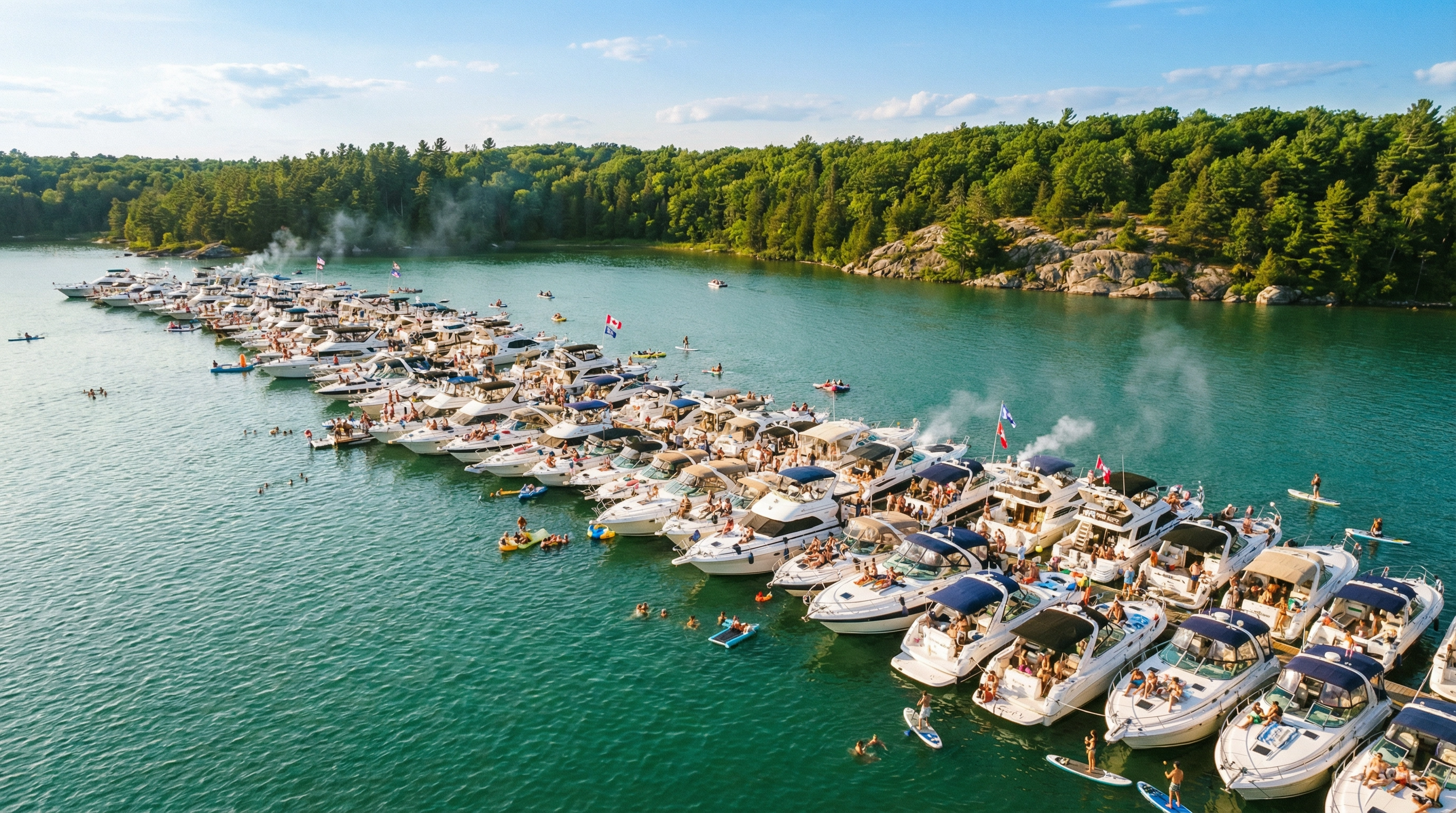
The Ultimate Guide to Raft-Up Safety: From Casual Cove to Pottahawk Chaos
There's a unique magic that happens when boats tie together on the water. It's the floating equivalent of a neighbourhood block party, a communal experience that turns individual vessels into a single, lively platform for swimming, grilling, and socializin

Dwayne Rodrigues
Boat Owner & Enthusiast
 Guides
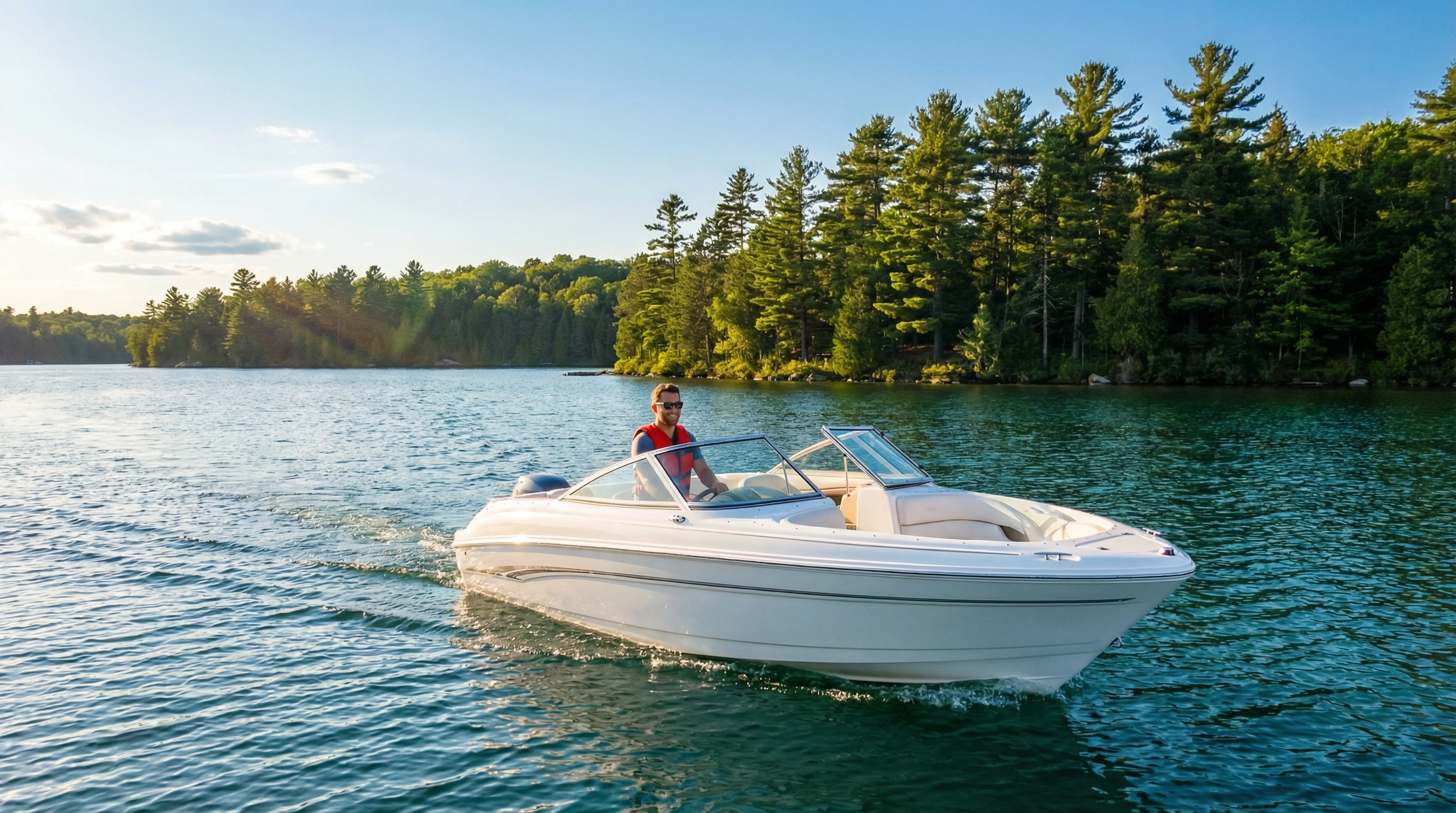
Beginner's Guide to Boating in Canada
So, you’re thinking about getting into boating in Canada. Fantastic. You’re about to join millions of Canadians who take to our incredible lakes, rivers, and coastlines every year. It’s a world of breathtaking sunsets, unforgettable family moments, and the
Dwayne Rodrigues
Boat Owner & Enthusiast
 Guides
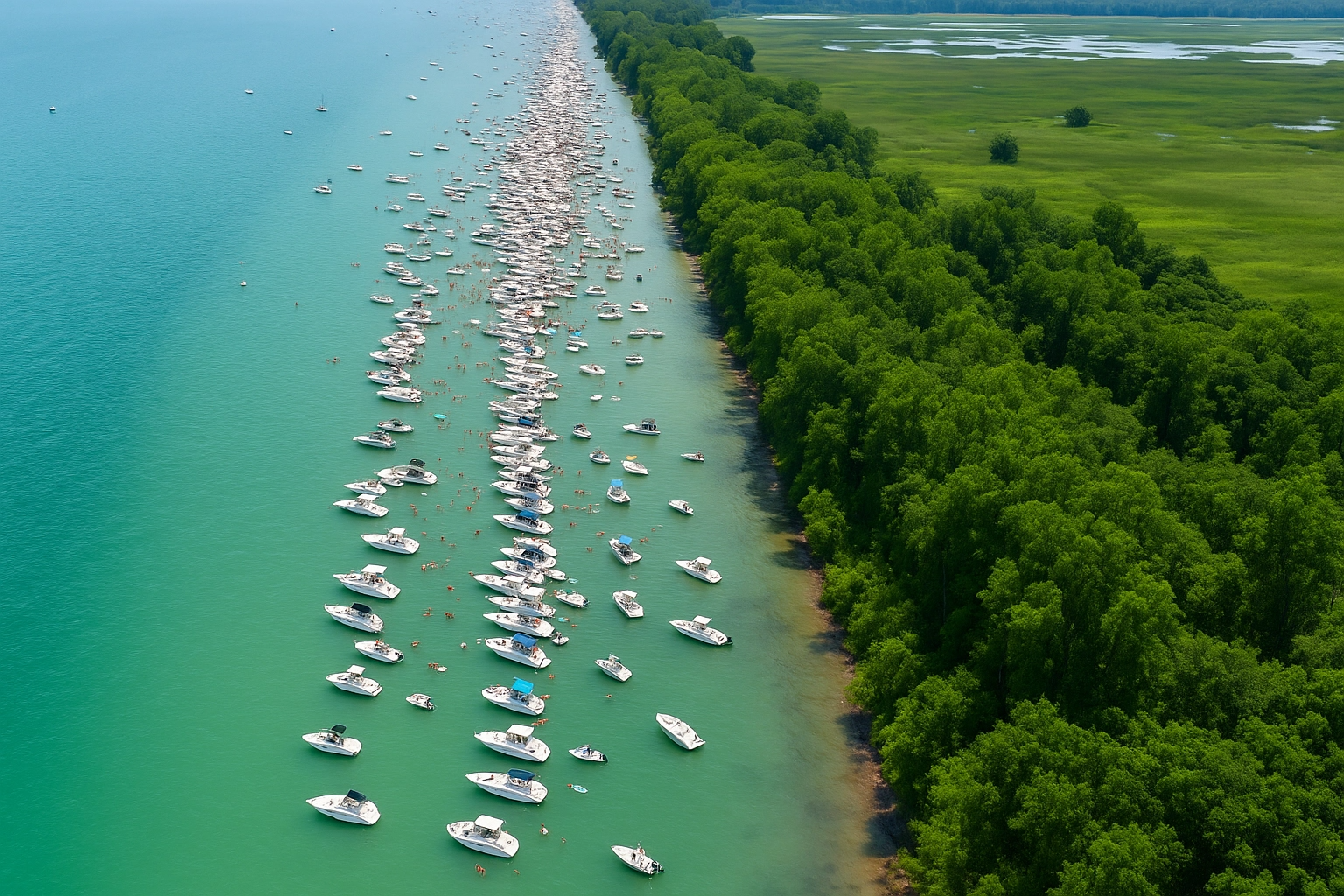
The Complete Guide to the Pottahawk Pissup
The Pottahawk Pissup is an unofficial, unsanctioned boat party held on the second Sunday of July at Pottahawk Point in Long Point Bay, Lake Erie. It is not an organized event. There are no official organizers, no tickets, and no formal schedule.
Dwayne Rodrigues
Boat Owner & Enthusiast